
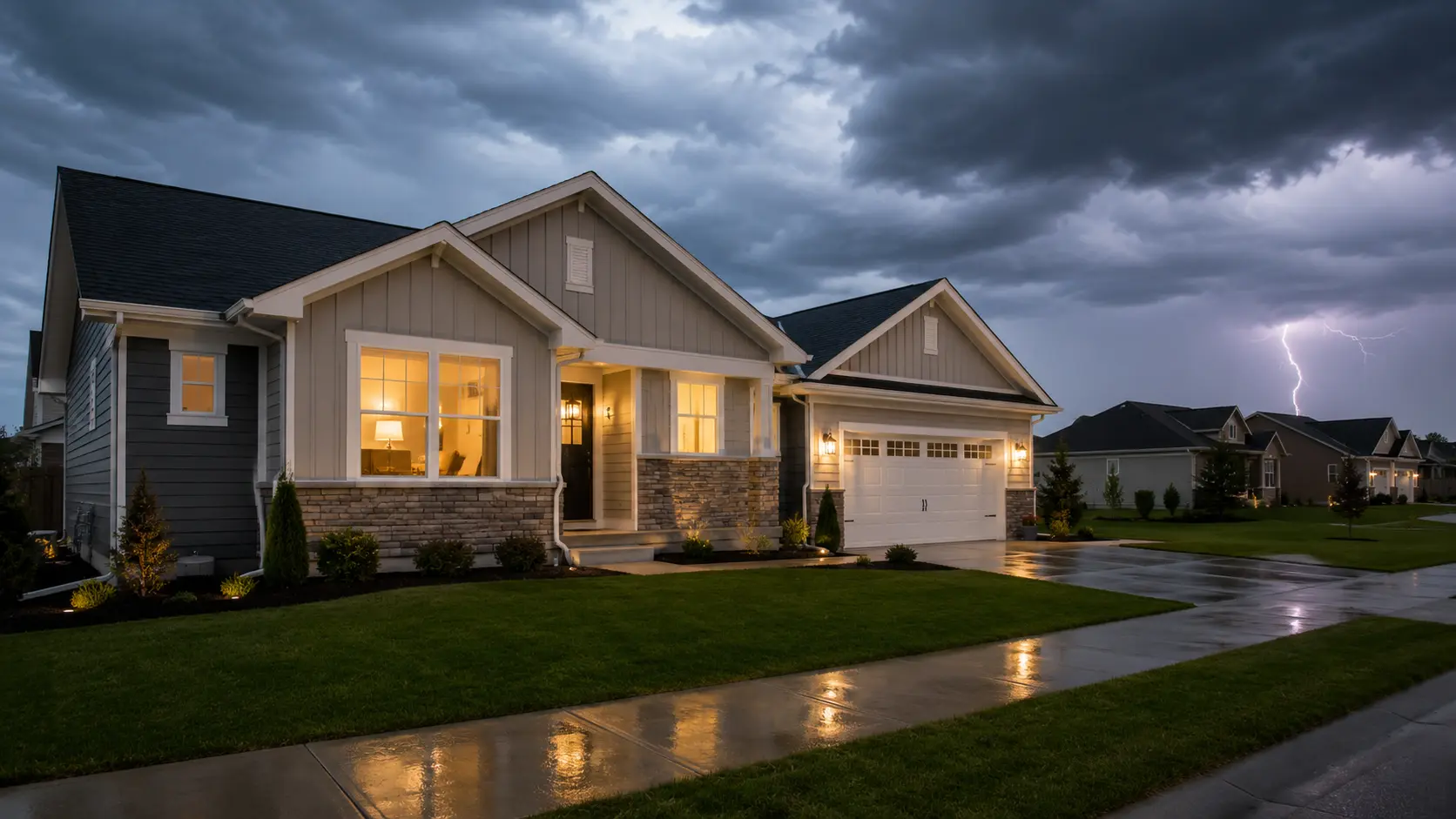
Severe weather can put extra stress on your home’s electrical system. Heavy rain, lightning, high winds, and power outages may expose issues such as overloaded circuits, outdated panels, damaged outdoor outlets, poor grounding, or missing surge protection.
Preparing your electrical system before storm season helps protect your home, reduce electrical hazards, prevent appliance damage, and avoid emergency electrical repairs.
Why Electrical Safety Matters Before Storm Season
Your electrical system supports everything from lighting and appliances to HVAC equipment, security systems, garage doors, home offices, and smart devices. When electrical problems are ignored, they can increase the risk of power surges, electrical fires, shock hazards, damaged electronics, and unexpected outages.
A professional electrical safety inspection can help detect hidden risks before severe weather creates a bigger problem.
| Common Electrical Issue | Risk If Ignored | Urgency Level |
|---|---|---|
| Outdated electrical panel | Breaker failure, overheating, or limited power capacity | High |
| Exposed or damaged wiring | Electrical shock or fire hazard | High |
| Missing GFCI protection | Increased shock risk in wet areas | High |
| Overloaded circuits | Frequent breaker trips and overheating | High |
| No whole-home surge protection | Damage to appliances, electronics, and HVAC systems | Medium |
| Loose outdoor outlets | Water intrusion and unsafe connections | Medium |
| Flickering lights | Possible wiring, circuit, or panel problem | Medium |
Electrical Safety Checklist
Use this checklist before storm season or before expected severe weather.
| Task | What to Check | Recommended Action |
|---|---|---|
| Inspect the electrical panel | Look for rust, buzzing, burning smells, heat, or frequent breaker trips | Schedule an electrical panel inspection |
| Test GFCI outlets | Check outlets in bathrooms, kitchens, garages, basements, laundry rooms, and outdoor areas | Replace faulty GFCI outlets if they do not reset properly |
| Check outdoor outlets | Look for cracked covers, loose outlets, exposed wiring, or moisture damage | Install weather-resistant outlets and covers |
| Review surge protection | Confirm whether your home has whole-home surge protection | Add surge protection to help protect appliances and electronics |
| Inspect visible wiring | Look for frayed, exposed, chewed, or damaged wires | Request professional electrical repair |
| Check extension cord use | Look for overloaded cords or temporary wiring used as a permanent solution | Replace unsafe setups with dedicated outlets or circuits |
| Test smoke and carbon monoxide detectors | Confirm alarms work and batteries are fresh | Replace batteries or outdated detectors |
| Review backup power needs | Identify essential devices during outages, such as refrigerators, medical devices, Wi-Fi, and sump pumps | Consider generator installation or backup power solutions |
| Schedule a professional inspection | Look for hidden electrical hazards, code issues, and storm-related vulnerabilities | Book an inspection before severe weather arrives |
Warning Signs You Should Not Ignore
Some electrical warning signs may indicate a serious safety issue. Addressing them early can help prevent fire hazards, power failures, and expensive repairs.
| Warning Sign | Possible Cause | Suggested Action |
|---|---|---|
| Breakers trip frequently | Overloaded circuits, faulty wiring, or panel issues | Request electrical troubleshooting |
| Lights flicker or dim | Loose wiring, overloaded circuit, or electrical panel problem | Schedule a circuit inspection |
| Burning smell near outlets | Overheating wires or damaged electrical connections | Turn off power and call an electrician |
| Warm outlets or switches | Unsafe resistance, loose wiring, or overloaded circuit | Stop using the outlet and request service |
| Buzzing from the panel | Loose breaker, electrical fault, or overloaded panel | Request urgent electrical inspection |
| Sparks when plugging in devices | Damaged outlet or wiring issue | Replace or repair the outlet |
| Outdoor outlets stop working | Moisture exposure, GFCI failure, or wiring damage | Inspect and repair outdoor electrical connections |
Common Electrical Safety Mistakes
Many homeowners wait until an outlet stops working, a breaker keeps tripping, or an appliance is damaged before calling an electrician. By that point, the problem may already be affecting the safety and performance of the home’s electrical system.
| Mistake | Why It Is a Problem | Better Practice |
|---|---|---|
| Ignoring flickering lights | It may indicate loose wiring, overloaded circuits, or panel problems | Schedule electrical troubleshooting |
| Using indoor extension cords outside | They are not rated for moisture, rain, or outdoor exposure | Use outdoor-rated equipment only |
| Overloading power strips | It can cause overheating and increase fire risk | Add dedicated outlets or circuits where needed |
| Skipping GFCI testing | Faulty GFCI outlets may not protect against shock | Test GFCI outlets regularly |
| Ignoring an outdated panel | Older panels may not support modern electrical demand | Consider electrical panel repair or replacement |
| DIY electrical repairs | Incorrect work can create code violations and safety hazards | Hire a licensed electrician |
How Often Should an Electrical System Be Inspected?
A home electrical system should be inspected periodically, especially before severe weather season, after power surges, after major storms, or when you notice warning signs such as flickering lights, tripped breakers, warm outlets, or burning smells.
| Recommended Time | Purpose |
|---|---|
| Before storm season | Reduce risks from lightning, outages, rain, and power surges |
| After major storms | Detect surge damage, outdoor wiring issues, or panel problems |
| Before buying or selling a home | Identify electrical safety concerns before closing |
| After adding major appliances | Confirm the system can handle the added electrical load |
| Every few years | Maintain general electrical safety and performance |
Final Electrical Maintenance Tips
Good electrical maintenance does not always require a major upgrade. Simple steps like testing GFCI outlets, checking outdoor outlet covers, reducing overloaded circuits, replacing damaged outlets, and adding surge protection can make a significant difference.
Before severe weather arrives, make sure your electrical panel is working properly, your outdoor outlets are weather-protected, and your most important appliances and electronics are protected from power surges.
When electrical warning signs are present or your system feels outdated, scheduling a professional inspection is the safest option. A timely electrical evaluation can help prevent emergencies, protect your home, and keep your family safe throughout storm season.